college fashion shoot

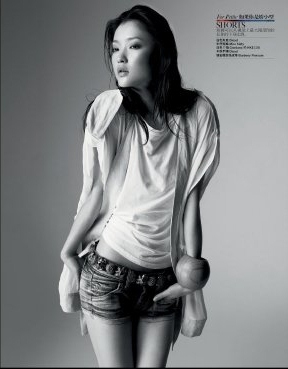
As I work as a stylist assistant in Asia and Europe, here are my top tips for doing a college fashion shoot:

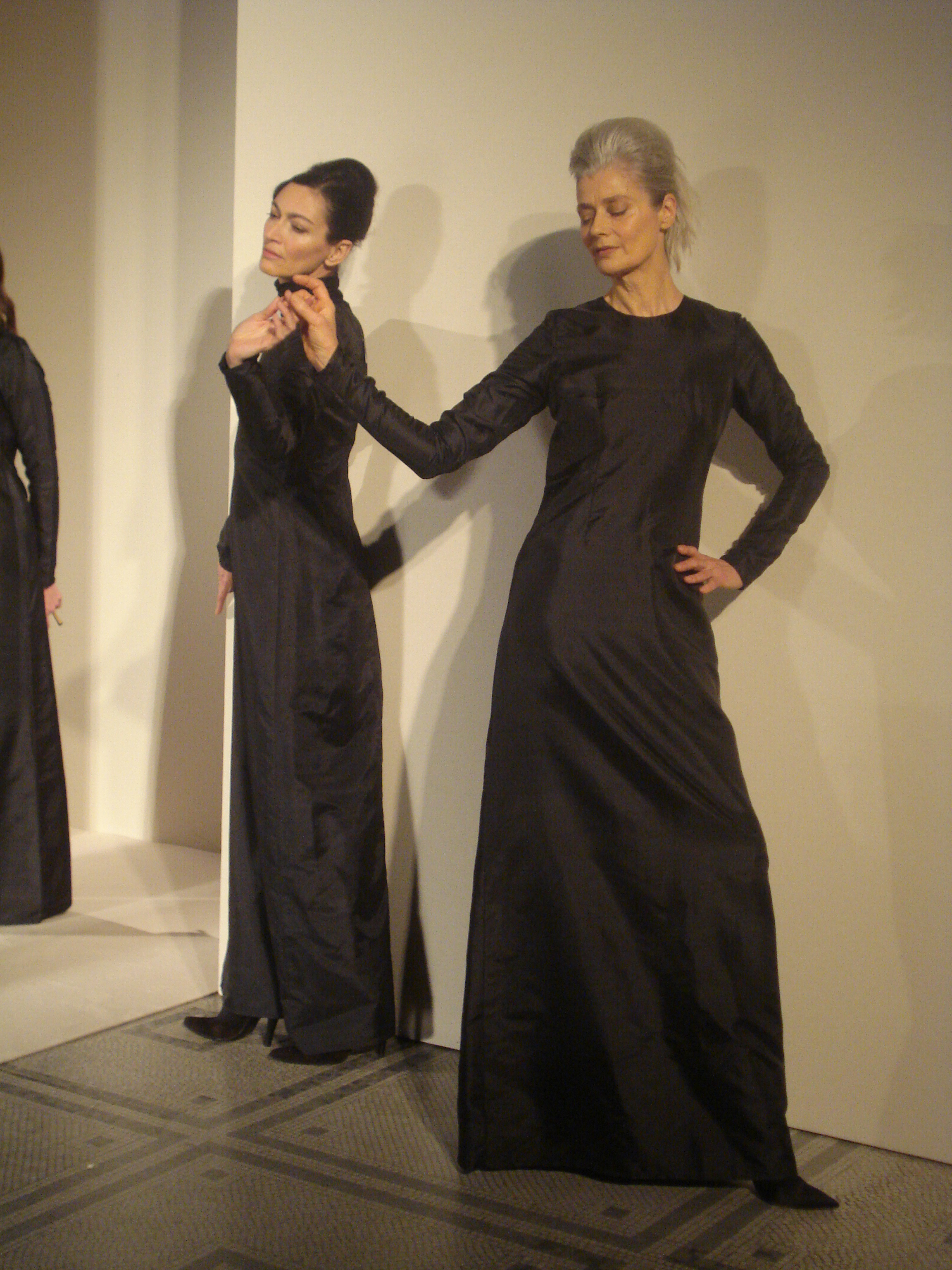
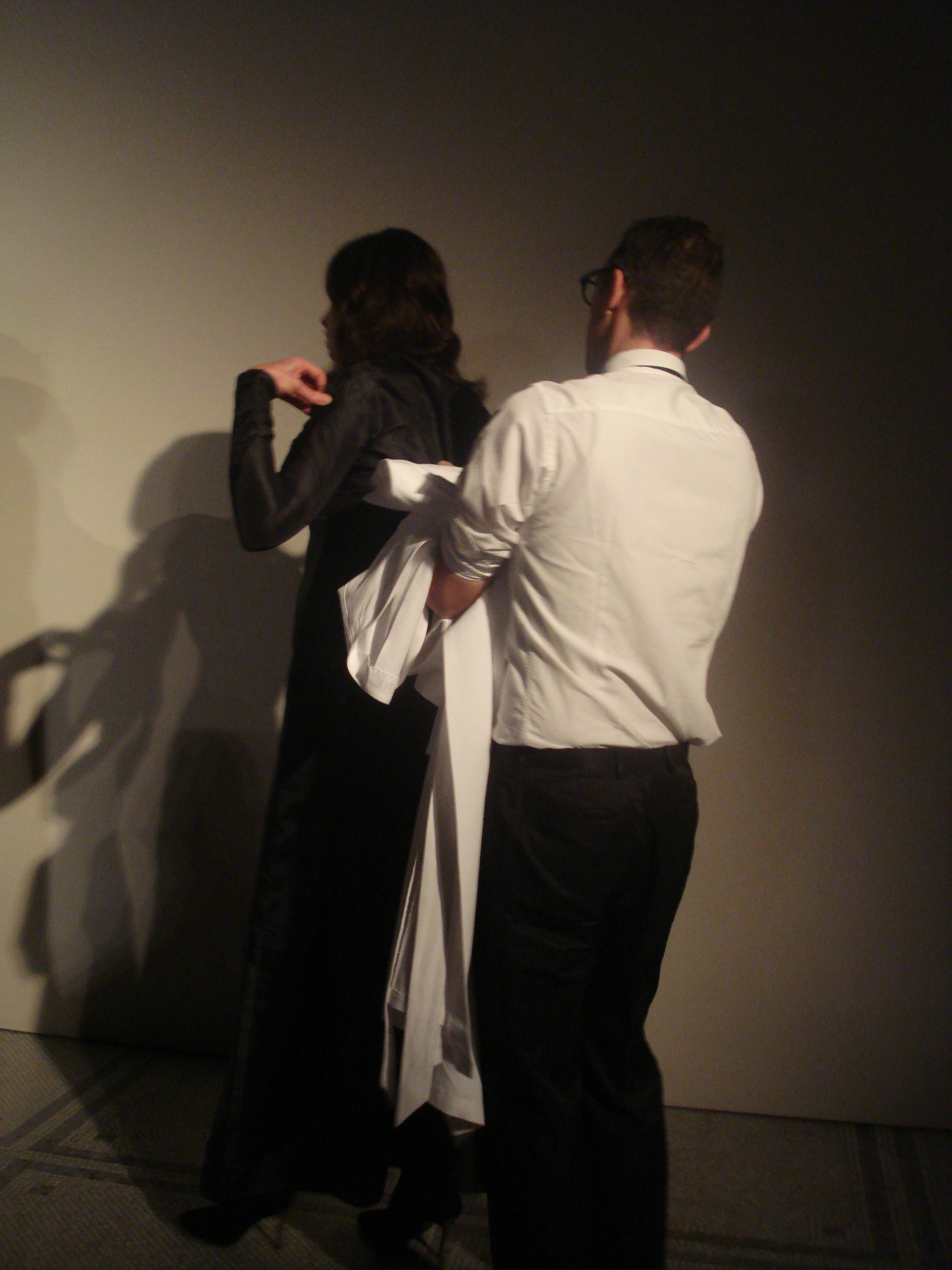
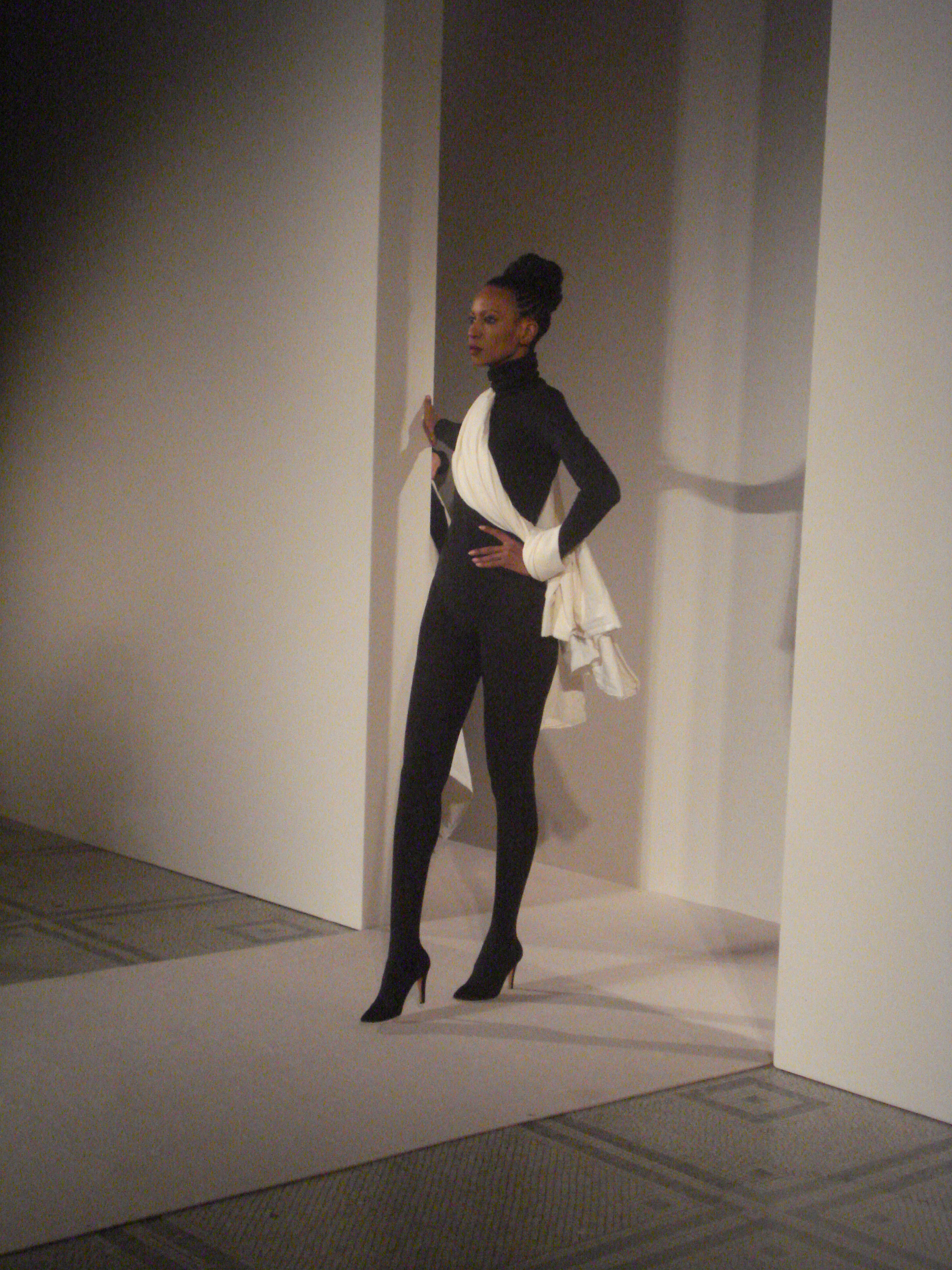
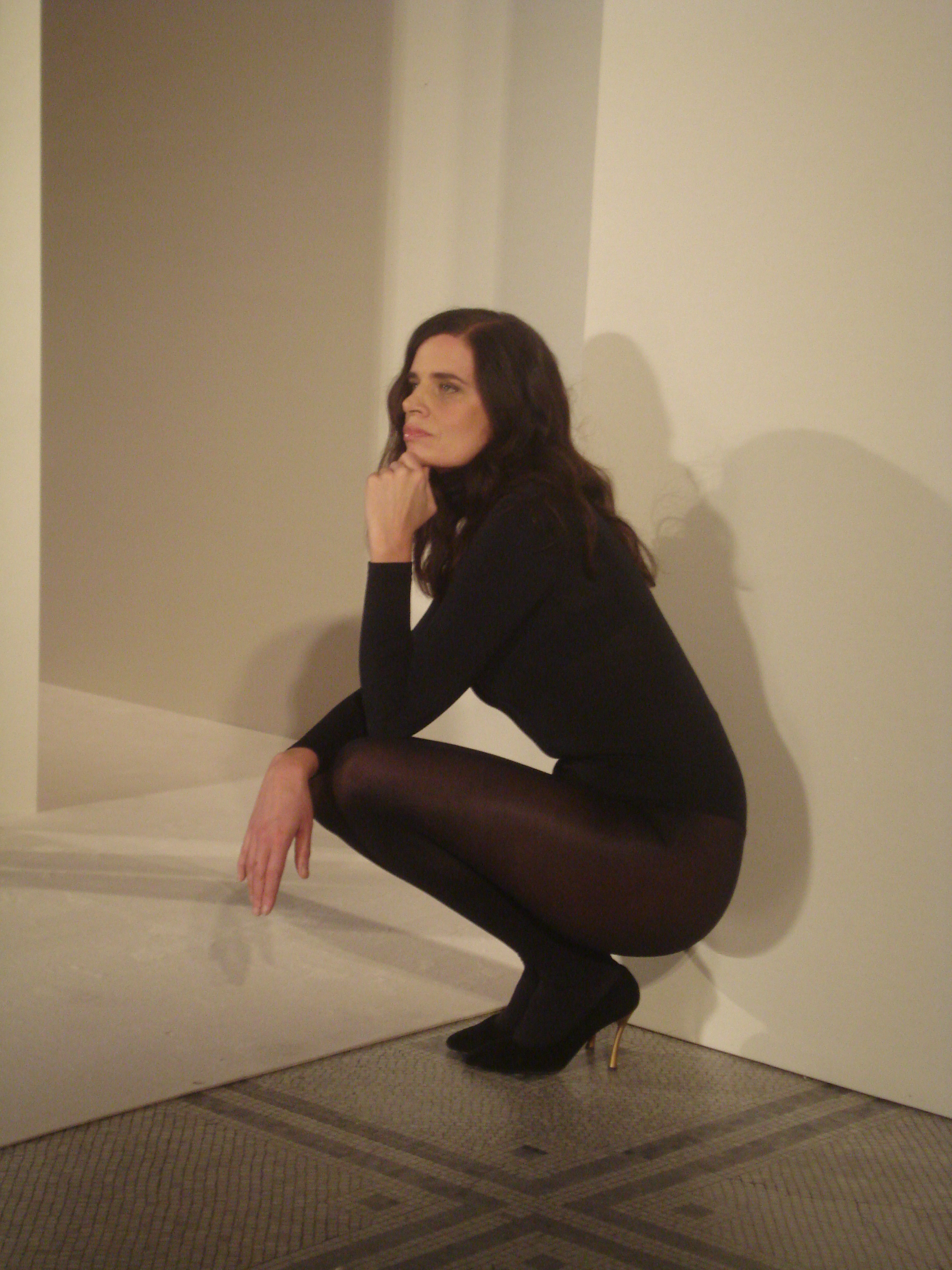
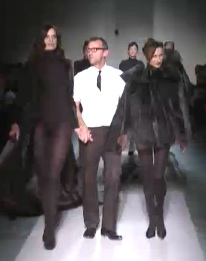
Research fashion shoot poses: Pick up a selection of fashion magazines, Vogue, Elle etc. Or go to your college library and have a look at what they have there including fashion books. Rip out, scan in or take a photo of any shoots you like the look of – look at the editorial shoots and also the adverts. Look for different types of photos – full-length, from mid-thigh up, hips up or even a zoom in on the models face. Full length – crouched down, side stride but looking at the camera etc. Choose a few of each type. Possible shots: both hands on hips, zoom in on face with hood up, zoom in with hands on face. Storyboard the shoot.

Plan your time: You are probably going to do around 10 photos so choose a few poses for each. Professional shoots can take up to an hour for the first shot and then it speeds up.

Choose the mood of the shoot: Know the story of the shoot. Let the photographer, makeup artist and hairdresser know what mood a few days before the shoot so they can prepare. It would be fab if they can practice on the model before the shoot so you can decide on the look

Location: inside/outside. if it’s inside you might want to choose props, like a chair for more interesting shots

Clothing: If you already have outfits from fashion students then now think about accessories. Whose providing accessories? Are models bringing their own shoes?  Think about jewellery.

Emergency Kit: Don’t forget boob tape, safety pins, your pose storyboards, needle and thread, scissors, music to keep everyone energised!

On the day: remember to give instructions to your model, they don’t know how the photos are looking so don’t be scared to really direct them, ‘look fierce’ ‘move your arm here’

Watch London College of Fashion students at work here

The Return of the Cheongsam

Published in print and online for my publication – East Magazine. Available to read online at http://eastmagazine.wordpress.com/category/culture/fashion/
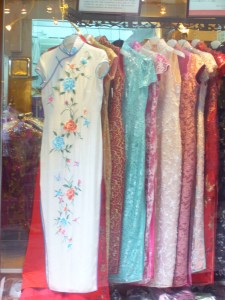
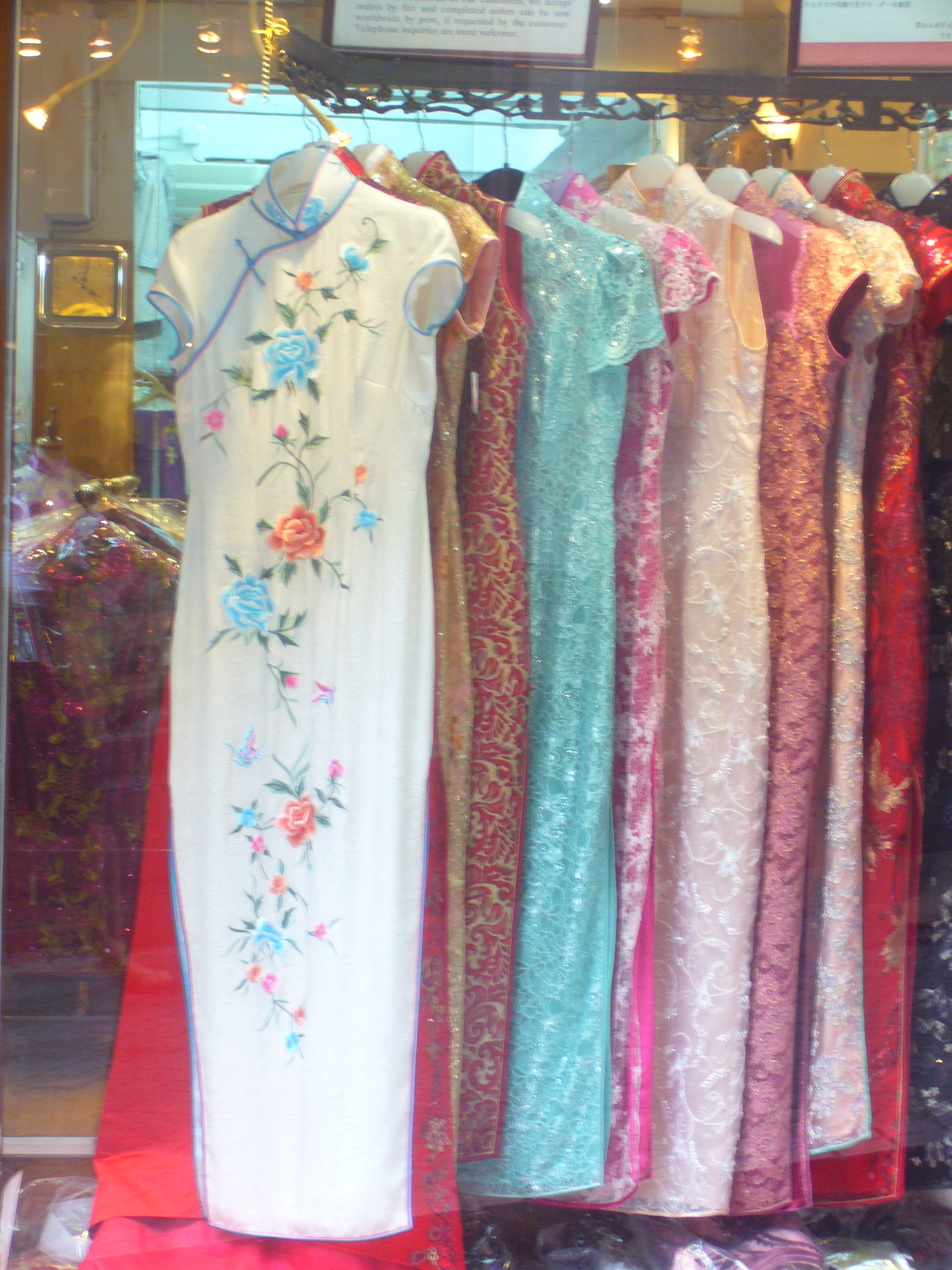
Instantly identifiable as a Chinese sartorial icon, Babette Radclyffe-Thomas investigates what is powering the recent resurgence of cheongsam-clad women

Maggie Cheung glides effortlessly across the screen enveloped in a sensuous fitted cheongsam. Side slits parting slightly as she walks, the high collar emphasising her lithe silhouette, Cheung’s dress exudes elegance whilst evoking a romantic nostalgia for 1960s Hong Kong. The cheongsam is instantly identifiable for a global audience as a signifier of ‘Chineseness’ but what are the origins of the cheongsam and how did it attain this position? The cheongsam has held close links to the political background and cultural history of China; throughout the evolution of the cheongsam it has continuously assumed new identities. From Parisian high-fashion catwalks to an explosion of cheongsam boutiques across China, what is powering this current revival of cheongsam-clad women?

Evolving from Manchu banner gowns and male scholar robes the qipao (旗袍), better known in the West as the cheongsam, is a one-piece garment which has become instantly identifiable in the West. The cheongsam is both a symbol representing Chinese culture and a signifier of Chinese ethnicity and identity. A recent revival of the cheongsam is evident in fashion as appropriated by Western designers, amongst celebrities and on film. Catering to a variety of cheongsam wearers, the identity of the twenty-first century cheongsam is markedly different from its political symbolism in the 1920s when it was seen as a signifier of social progress and increased female emancipation. In modern China the cheongsam has been revived as a symbol of Chinese ethnic identity yet retains tawdry associations with the entertainment and service industries; the cultural integrity and the cultural functions of the cheongsam are now in question.

Literature reveals conflicting opinions as to the exact origins of the cheongsam, however the majority of academics agree that the cheongsam emerged as a modification of the Chinese male scholar robes. Women sought less restrictive clothing to reflect their increasing emancipation following the collapse of the Qing Dynasty in 1911. Due to both geographical and political factors Shanghai rapidly became the fashion capital of China in the 1920s, and today the tailors of Shanghai remain the most prestigious. Shanghai was the pre-eminent centre of modernisation and the first coastal city opened to the West, and subsequently had an open culture and concentration of Westerners. Western tailored fashion influenced the progression and feminisation of the cheongsam recognisable in current manifestations with the high tubular collar, the huaniu (knotted and decorated button and loop fastenings) and short side slits.

Due to celebrity endorsement from famous actresses and Sun Yat-sen’s wife Song Qingling, the cheongsam grew to prominence; easily adaptable for all age ranges the cheongsam became standardised national dress for Chinese women and by the late 1920s the cheongsam dominated female fashion choices. Calendar posters using cheongsam-clad models facilitated the image of the cheongsam to pervade domestic and international culture and to become identified in the international arena as typical Chinese attire. The cheongsam came to symbolise ‘the unity of the country’ and ‘complete morality’ (Weilin 1937: 4-6) and by the 1930s the cheongsam had become ‘a stage for debates about sex, gender roles, aesthetics, the economy and the nation’ (Finnane 2007: 141). An item of egalitarian dress, the cheongsam reflected the general trend to imitate male practice, increasing the number of females attending school and becoming involved in political movements and public demonstrations. The cheongsam, now entrenched in national identity, became inextricably linked to the identification of Chinese women.

Over the course of the twentieth century the cheongsam has evolved in political significance, style and consumer base. Cheongsam styles have featured rising and falling hem lines and have become increasingly fitted. By the late 1960s the cheongsam became a symbol of decadence and capitalism and in a climate in which wearing fashionable clothes was highly dangerous, decreasing possibilities for dress existed. During the Cultural Revolution the adoption of the unisex Maoist suit led to the disappearance of the cheongsam on the Mainland, thus the cheongsam looked to other Chinese communities for its continuance such as Hong Kong which witnessed the height of cheongsam popularity during the 1950s and 1960s.

The resonant image of the cheongsam in the West is of Nancy Kwan in the 1960s film ‘The World of Suzie Wong’. Kwan’s dress exemplifies the sexiest adaptation of the cheongsam and is the style most associated with Hong Kong. Stanley Karnow (Karnow 1964) cites the cheongsam as the ‘root of much disorder in the Far East’ when he reports ‘traffic accidents…increase sharply at lunch hour, when girls in their slit skirts grace the city’s boulevards’. However by the end of the decade the cheongsam decreased in popularity; generational differences began to show as the youth identified the cheongsam as traditional and instead turned to more relaxed Western fashions to express their identity. By the 1980s the cheongsam had been relegated to evening wear or solely formal wear for ceremonial occasions.

In the new century both Western and Eastern celebrity endorsement has fuelled resurgence in cheongsam wearing; cheongsam-clad celebrities include Madonna, Nicole Kidman and Zhang Ziyi. The Asian film industry has played a significant role in propelling the resurgence of the cheongsam.  Wong Kar-wai’s ‘In the Mood for Love’ (2000) set in 1960s Hong Kong plays on a romantic nostalgia felt by many Chinese; Maggie Cheung portrays So Li-zhen, with a wardrobe consisting of 26 cheongsams for all occasions.

Consumers of cheongsams as ethnic and cultural symbols have diffused the cheongsam through cultural settings and reinforced the association of the cheongsam with ‘Chineseness’. Reflecting Chinese cultural roots, traditional clothing has been re-appropriated and given a twenty-first century spin. Ethnically Chinese designers such as Vivienne Tam and Peter Lau have adopted the cheongsam and the Shanghai Tang boutique capitalises on combining a type of self-Orientalism with romantic nostalgia. Fashion designers as cultural producers play a significant role in adapting and expanding the symbolism of the cheongsam; the exoticisation of the foreign provides a popular source of inspiration for Western fashion designers who have adapted the cheongsam and disseminated its styling to a wider audience. Luxury fashion house Louis Vuitton’s 2011 Spring/Summer collection features various neon cheongsam. The significance of the cheongsam as cultural symbol has also influenced modern Chinese artists such as Li Xiaofeng who uses broken porcelain shards to create cheongsam sculptures and Liu Jianhua who creates ceramic sculptures of cheongsam-clad women expressing China’s position on the world stage.

Despite its abandonment in preference for less restrictive Western clothing, the cheongsam remains a powerful image. Thus at the same time that the cheongsam is increasingly universalised as a fashion statement, the cheongsam is also being reclaimed as a signifier of cultural identity in China. In the face of an increasingly globalised culture prevalent in modern China, the need to ascertain a national identity is felt more strongly than ever. The cheongsam, laden with associations and sentiments of heritage and ethnicity, has been promoted by the government as a national sartorial icon, seen by millions on the 2008 Beijing Olympic ushers. However the cheongsam assumes multiple roles in modern China; whilst it is promoted as a symbol of Chinese tradition worn for weddings and formal occasions, it is retained as school uniform in Hong Kong and serves as work attire for many employed in the service and entertainment industries.

The cheongsam emerged from the drive for sexual equality as a signifier of modernity and became the definitive female dress during a tumultuous period of Chinese history. The current resurgence projects varied symbolic meanings including ethnic representation, femininity and perhaps more tawdry associations. Still instantly identifiable as a signifier of ‘Chineseness’ the typical characteristics of the cheongsam remain, however the cheongsam’s symbolic meanings have been repackaged to appeal to a variety of consumers. Seen on film, in art galleries and catwalks around the world, the cheongsam has an undeniably interesting and exciting future.
Milan Fashion Week Review for Leeds Student ~ 米兰时装星期


After the cutting-edge collections seen at London Fashion Week, it was onto elegant Milan for the fashion elite. Outside topless protestors campaigned but indoors the drama was on the catwalk. Front rows were filled with celebrities including Zombie Boy, Monica Bellucci and Pixie Lott.  A renaissance mood characterised most collections, as designers evoked a dark romance typified by fashion’s It Girl of the moment Rooney Mara. A key trend was layering, and most collections had a tougher, more protective look for the modern fashionista.

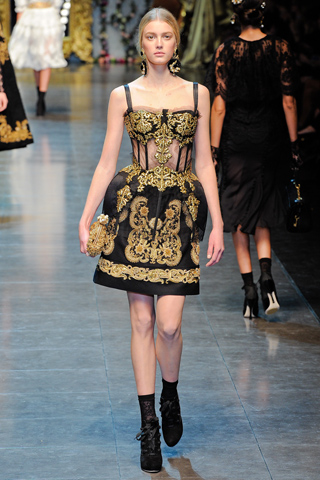
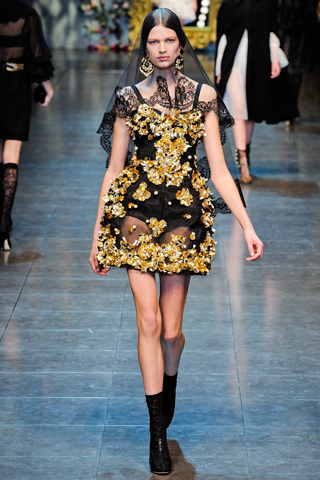
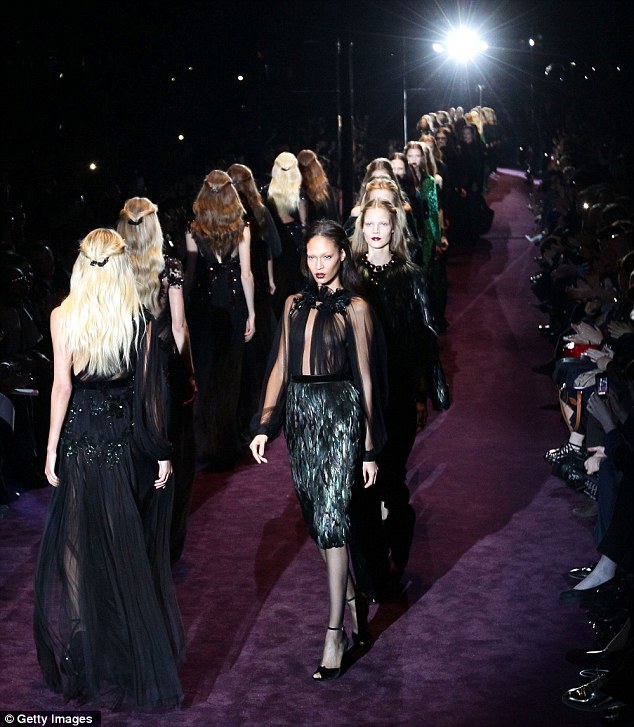
The high octane glamour which typified Milan Fashion Week commenced with a show-stopping collection by Gucci. Models gracefully swanned down the catwalk in flowing gowns, crushed velvet and feathers all perfect for red-carpet glamour. The gothic mood in elegant silhouettes continued at Versace as a profusion of crucifixes, chainmail and corsets appeared. The highlight of the week was Dolce and Gabbana’s abundance of gold bullion and black lace. Feminine dresses channelled Domenico’s native Sicily as cherub and floral prints added a playful twist to the collection.

Prada made a powerful statement with masculine tailoring in geometric prints which was matched by heavy eye-makeup. Georgio Armani’s Easy Chic collection also showcased tailoring but with a feminine touch topped off by stylish Bermuda hats. A wide variety of animal pelts and furs were at Fendi and it was an emotional farewell to Raf Simons who announced it was his last collection at Jil Sander.

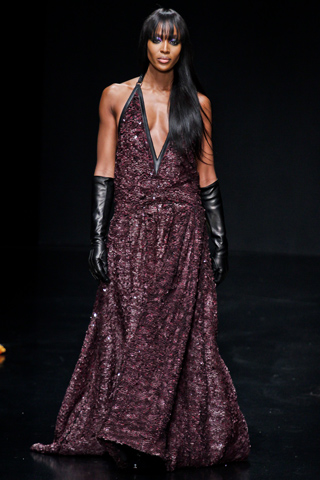
As Roberto Cavalli strolled across the catwalk with his German shepherd Lupo, alongside a tiger pattern made out of 40,000 petals, the audience knew that they would be treated to an opulent show. Cavalli did not disappoint the eager audience as he showed an excessively luxurious collection with an exquisite blend of animal prints. Naomi Campbell closing the show in a gravity-defying sequined dress was the perfect end to a fabulous week in Milan and an exciting precursor to the fashion pack’s next stop at Paris Fashion Week.

Babette Radclyffe-Thomas


Red Carpet Roundup ~ 红地毯的综述

Published in the Leeds Student:

Last night’s highly anticipated 84th Academy Awards was the glamorous finale to a whirlwind month of red carpet events including the BRITS, Golden Globes Awards and many star-studded parties in between.

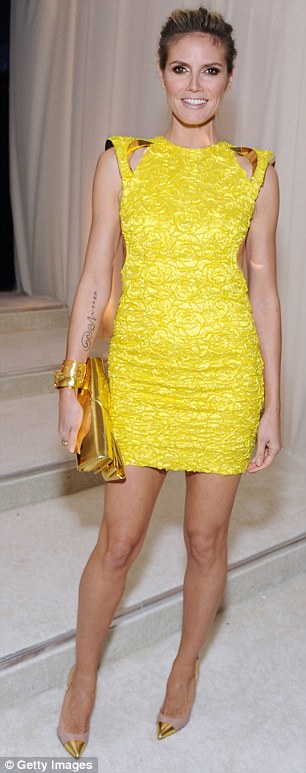
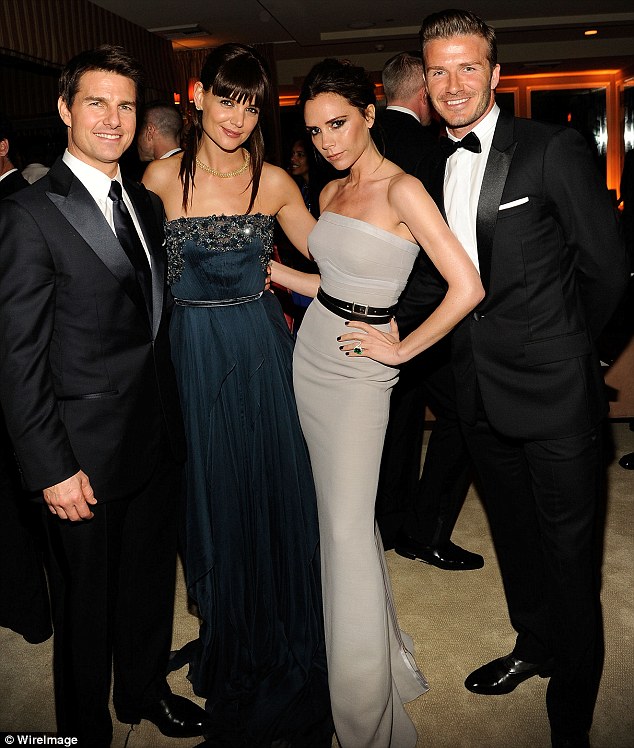
Lana Del Ray picked up her International Breakthrough Act BRIT award in a gorgeous red dress and then the award ceremonies carried on in style across the pond. The Beckhams were bastions of British fashion at the Vanity Fair party and at Elton John’s party, Heidi Klum highlighted this spring’s neon trend in a fluorescent yellow mini-dress.

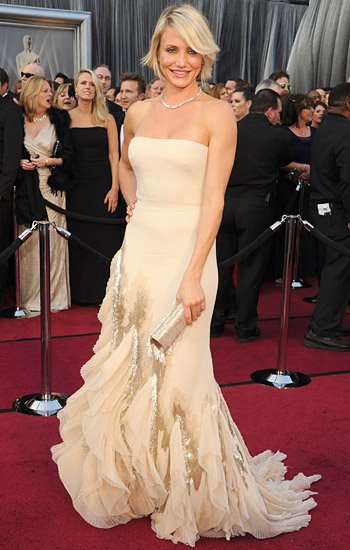
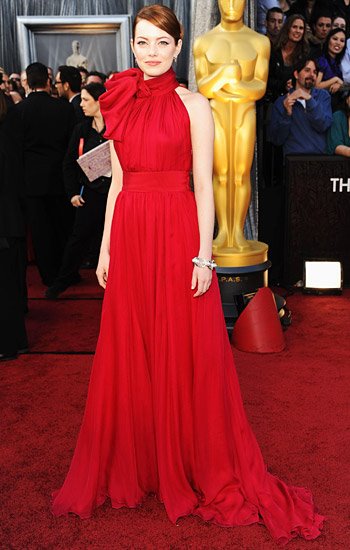
The Oscar’s red carpet saw a lot of stunning floor length numbers by a vast array of fashion designers. Gowns were in a multitude of colours, from feminine pastels to show stopping reds. Whites and pastels were the most popular choice, Gwyneth Paltrow exuded simple elegance in a Tom Ford dress and Cameron Diaz wore a stunning fish-tailed Gucci gown. Emma Stone went for a demure dress in a stunning red whereas Angelina Jolie’s black velvet Atelier Versace dress thigh high split drew much attention. Glenn Close’s bustier dress teamed with a tuxedo jacket flattered her enviable figure.

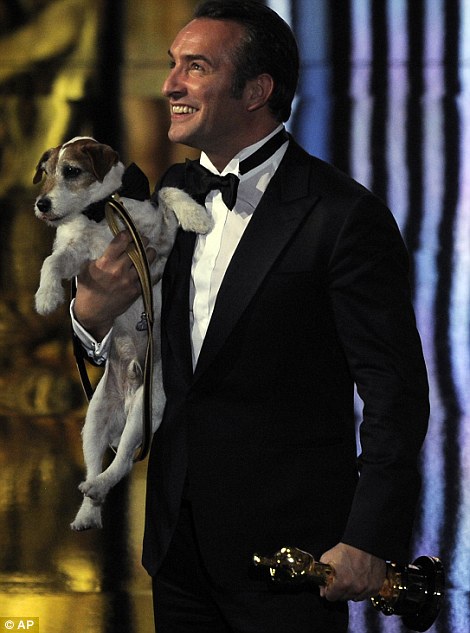
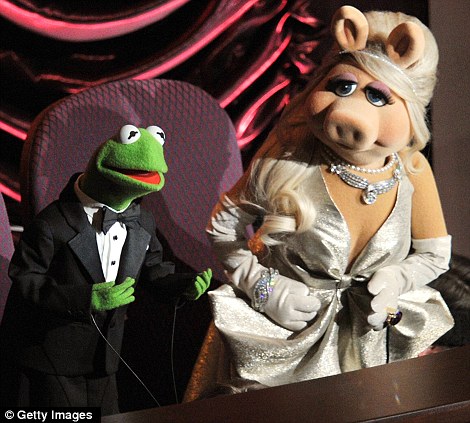
Old Hollywood glamour was present among the stars; Milla Jovovich and Penelope Cruz both wore timeless feminine numbers but Natalie Portman chose real vintage with a 1954 haute couture Christian Dior gown. The Artist picked up an Oscar for Costume Design so it was no surprise that the most popular man in Hollywood at the moment, Jean Dujardin, looked as suave as ever. However, the night was almost stolen by the furrier members of the audience, Miss Piggy was dressed in Zac Posen and Uggie the dog wore an 18 carat gold bone bowtie. After this visual feast of sartorial elegance, next year’s Oscars can’t come soon enough.


Catwalk to Cover: A front row seat ~ 从T台到封面:一个前排座位

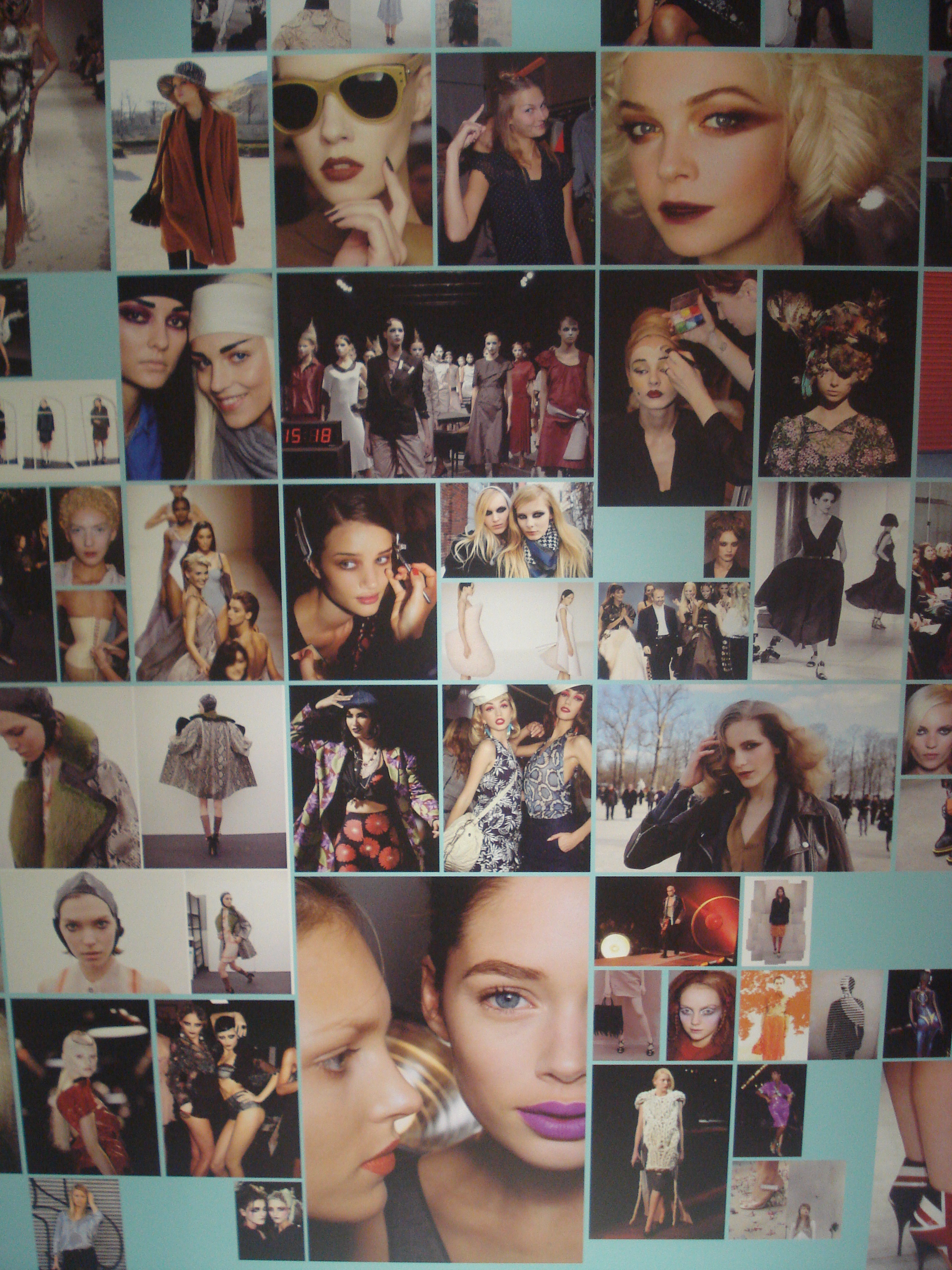
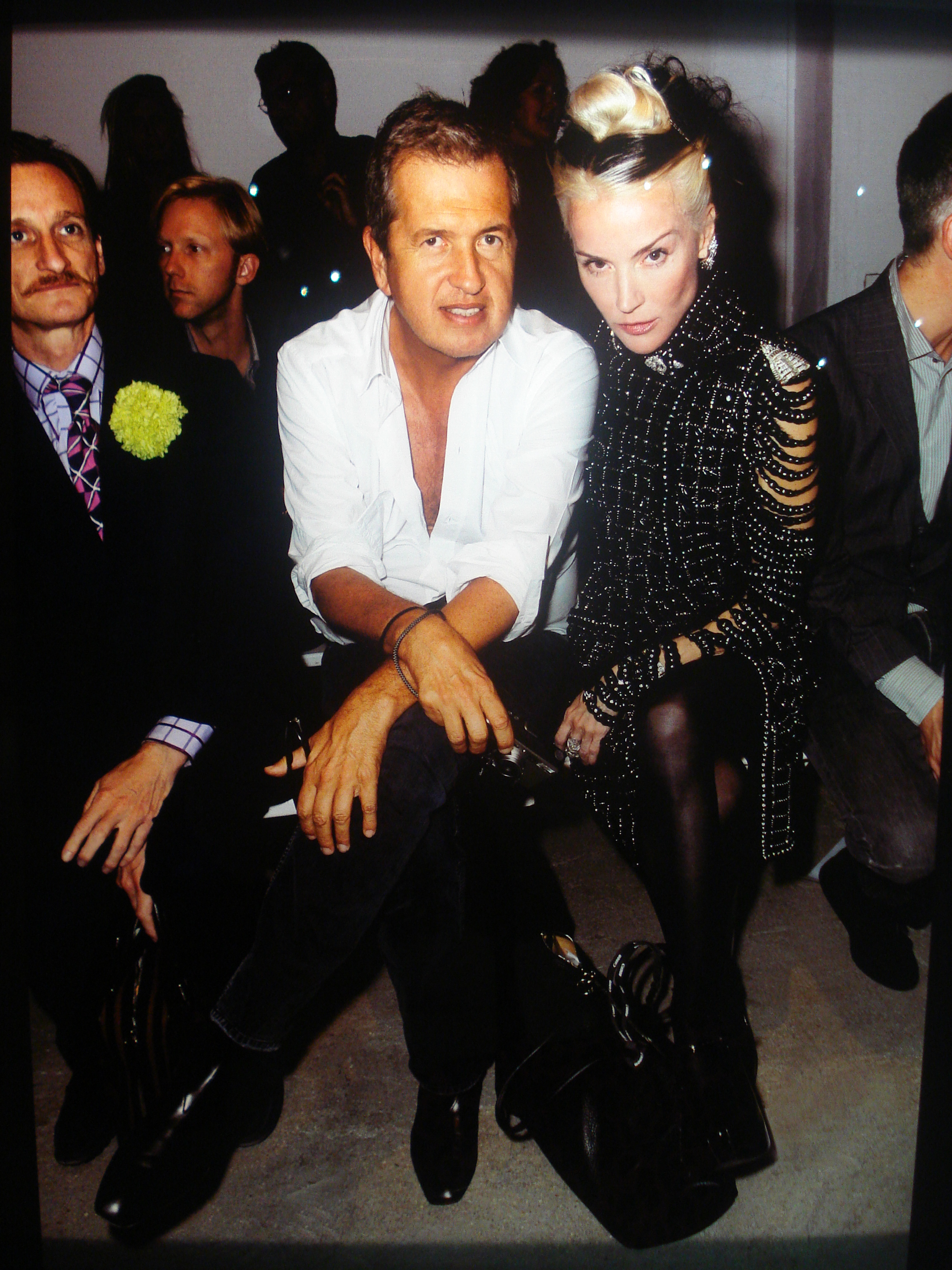
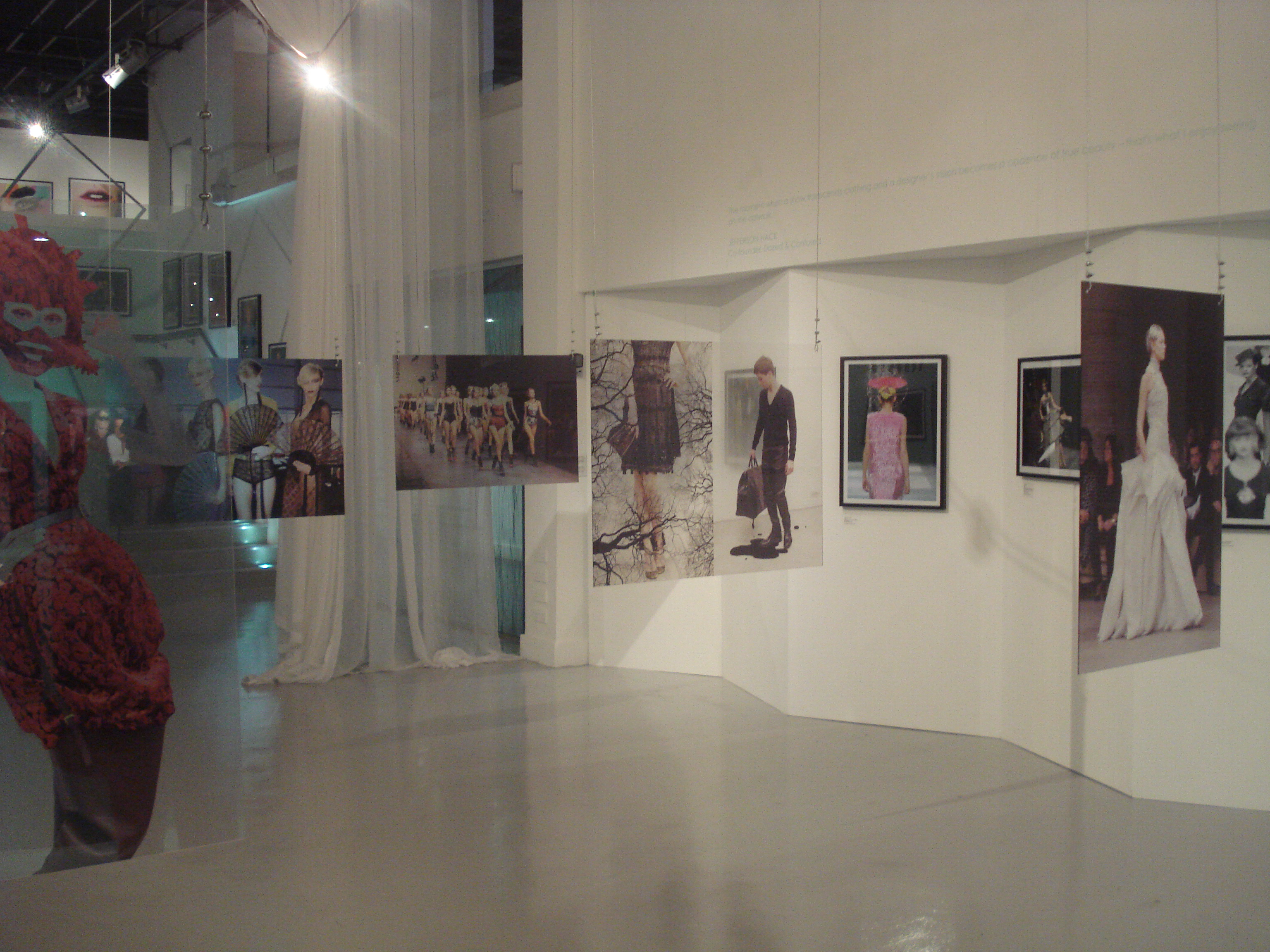
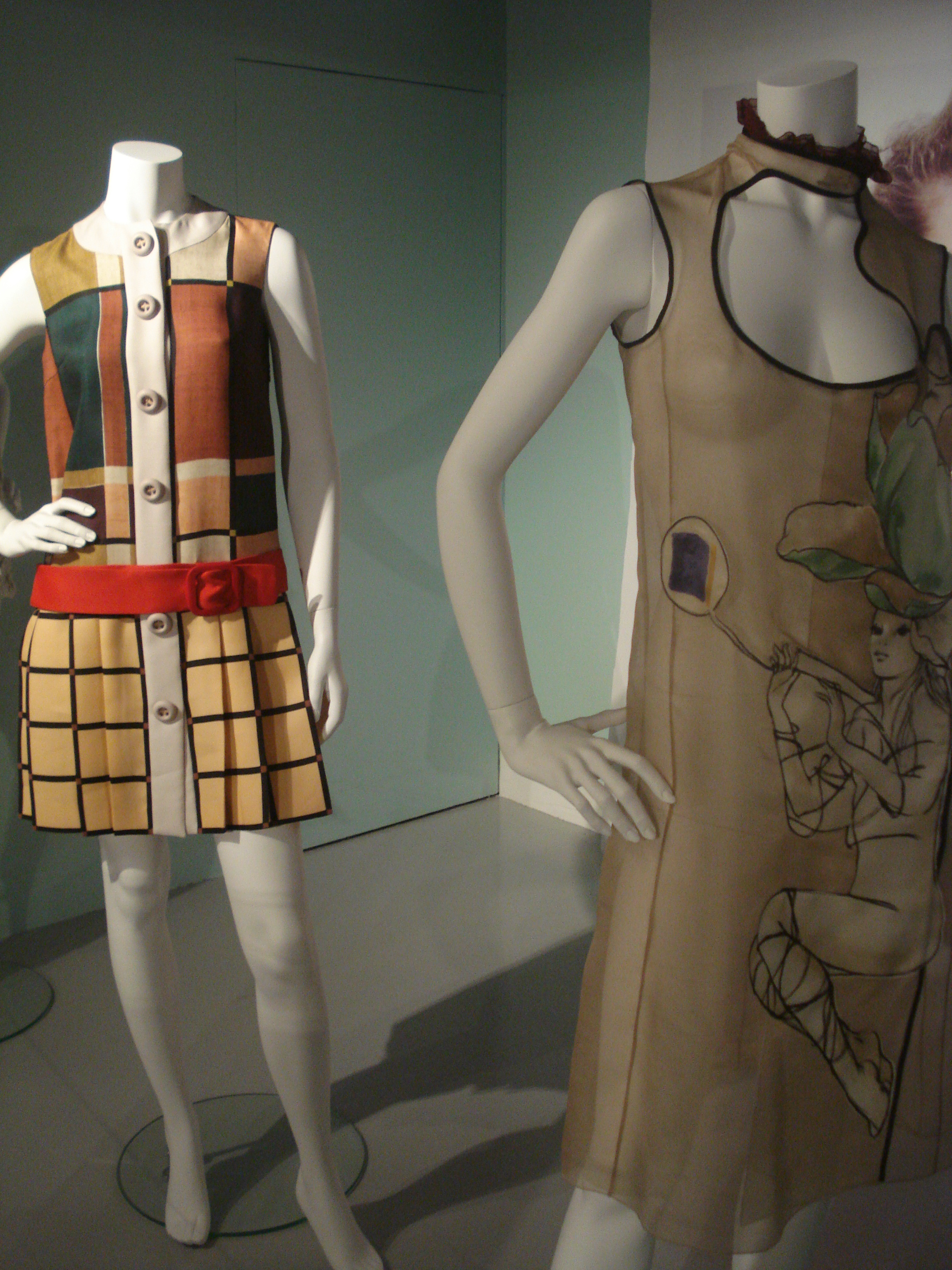
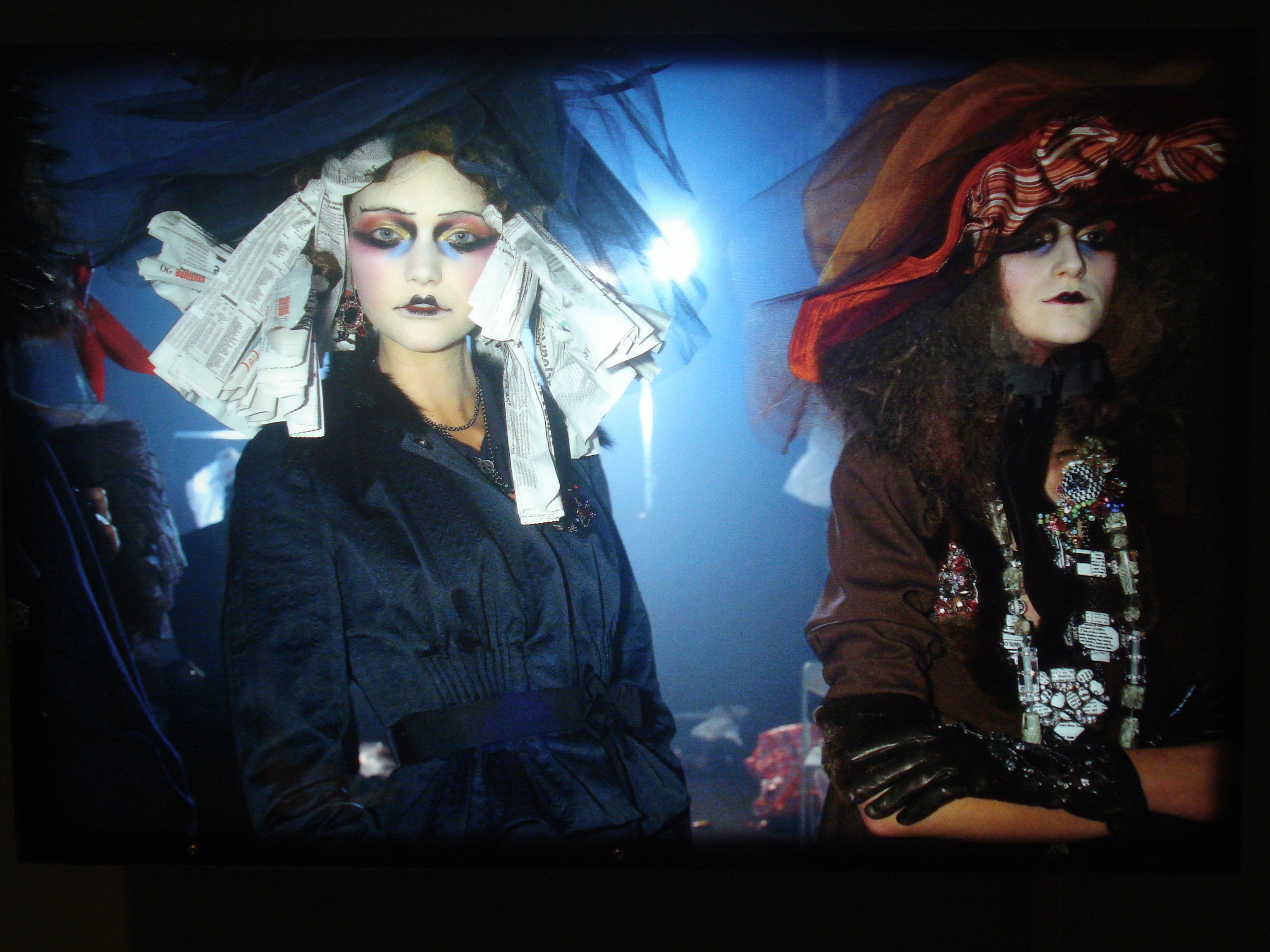
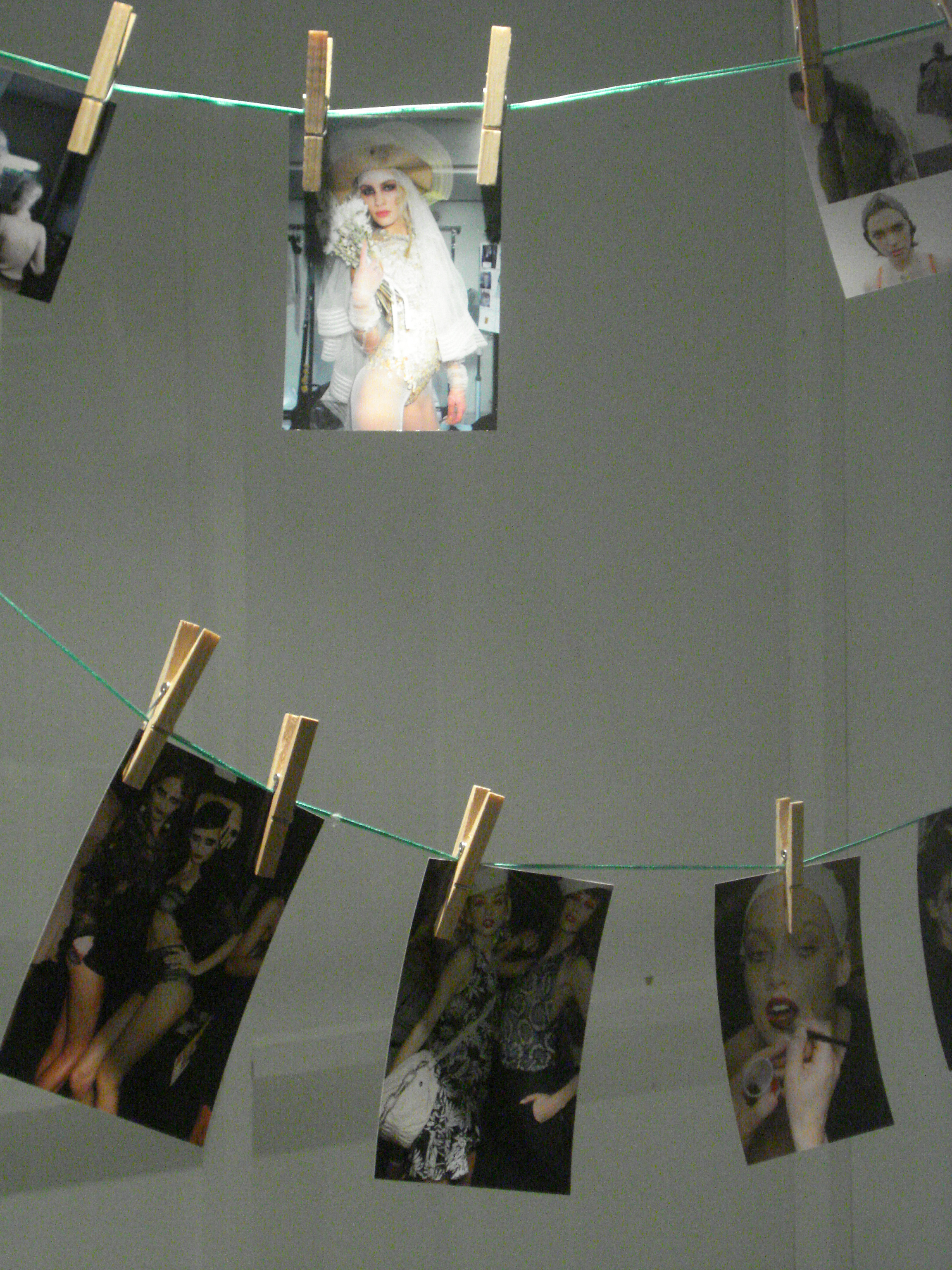
The Fashion and Textile Museum in London hosted the fabulous exhibition ‘Catwalk to Cover: a front row seat’ . For the first time the audience is guided through the hectic, colourful and exciting process of a garment from the catwalk to the cover. The audience is free to explore the importance of a celebrity-filled front row, the development and process of the catwalk and the energetic buzz of the backstage. Separated into seven sections displayed across two levels, the audience is treated to a wide selection of photos from the industry’s leading fashion photographers. Showcasing classic designs from renown fashion designers, a highlight is the focus on Prada’s fashion shows.


在伦敦时装和纺织博物馆举办了奢侈的‘从T太到封面:一个前排座位’的展览会。这是第一次一个展览会指导观众通过繁忙,五颜六色又兴奋的衣服从T太到封面的过程。观众能随便发现一个前排座位充满著名人的重要性,T太的发展和过程,而在后台精力充沛的气氛。在两个层面,展览会分开七个部分,观众能看到广范围的最有名的时装摄影师的照片。展览会表示著名的设计师的经典设计,而最精彩的部分是关注在普拉大的时装展览。


From Campus to Enterprise ‘The Accessory Stand’

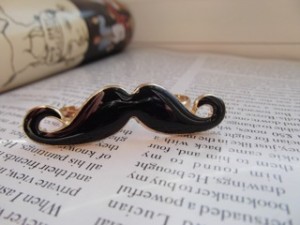
mustache double finger ring

Here is an article that was published in the Leeds Student

Establishing your own accessories brand during the final year of your degree would seem a stretch for most students. However, University of Leeds Arts and Design student Eleanor Pead decided to become her own boss in late 2011, setting up ‘The Accessory Stand’. Drawing on her previous experience in the fashion industry working at brands such as Whistles and L.K.Bennett, Eleanor witnessed first-hand customers’ tastes in accessories and her brand has now become a hit with style savvy shoppers.  Attending trade shows, choosing wholesalers and designing accessories is the new routine for Eleanor. Her own personal style is inspiration when creating items: ‘I am my customer’, she comments.

Offering a wide selection of cute hand-made accessories, the must-have items include the double finger crucifix ring and the pastel skull ring, that is perfect for this season’s pastels trend.

The Accessory Stand’s student-friendly prices range from £1 to £5, so if you are searching for a special item to glam up your winter outfit, be sure to check out the Accessory Stand.

Available to purchase at http://theaccessorystand.com

Read this article on the Leeds Student at http://www.leedsstudent.org/2012-02-18/ls2/fashion/from-campus-to-enterprise-the-accessory-stand

 vintage camera ring


NYFW: Autumn/Winter Trend Report

Here is an article that was published in the Leeds Student.

Kicking off the first entry of our series of A/W trend reports, Babette Radclyffe-Thomas shows us the sartorial ropes based on the collections of New York Fashion Week. 

New York Fashion Week kicked off the autumn winter collections with glamour, drama and controversy. With a hectic schedule spanning eight days, featuring over ninety shows at the Lincoln Center and 250 shows in locations outside of the city, some of the world’s most talented and distinguished designers revealed their Autumn/Winter 2012-13 collections to an eagerly awaiting audience.

The celebrity-filled front rows receive as much attention as the catwalks and this week didn’t disappoint. Jessica Alba, Anna Wintour and Mick Jagger were all spotted and 95-year old legendary New York fashionista Zelda Kaplan died after passing out on the front row.

In the most talked about show of the week, Marc Jacobs models swanked down the catwalk in oversized ‘mad hatter’ style hats, wrapped in huge shawls held together with large safety pins. Jacob’s has come under fire for using 14-year-old models in his show, breaking the Council of Fashion Designers of America’s (CFDA) regulations regarding the use of  underage models.

Surprisingly, models strolled down the Victoria Beckham catwalk wearing sturdy biker boots in replace of her trademark towering heels, with many designers also abandoning the heel in favour of practical flats. Victoria’s military-style collection featured her signature figure-hugging dresses and even showcased her new gorgeous ‘Harper’ handbag named after her adorable baby girl.

Oriental designs graced many catwalks this fashion week.  Josie Natori turned to Mongolia as her obi belts, kimono tops and glamorous evening-wear reiterated her mark as a ready-to-wear designer. Jason Wu’s luxurious collection looked to China with sophisticated tailoring and Oriental-style detailing for stylish urban chic.

Leather and luxurious details are a key autumn/winter 2012 trend and Alexander Wang’s leather boots matched with shiny oversized knits were an edgy youthful take on the trend. Catwalks everywhere displayed longer hemlines reflecting a 1960s and 1970s influence as shown by Derek Lam’s doily-print dresses matched with smoky eyes.

Michael Kors’ chunky knits and tweed coats showed how to remain stylish next winter, while Marchesa’s voluminous lace dresses provided elegant evening wear. Berry colours in rich luxurious fabrics are must-have for next season, and as the exhilarating New York Fashion Week draws to an extremely apt finale with Ralph Lauren’s British heritage collection, London Fashion Week is sure to be just as exciting and glamorous.

To see the article on the Leeds Student check out: http://www.leedsstudent.org/2012-02-18/ls2/fashion/nyfw-autumnwinter-trend-report

新年快乐! Happy new year!

Happy new year of the dragon! 龙年快乐!

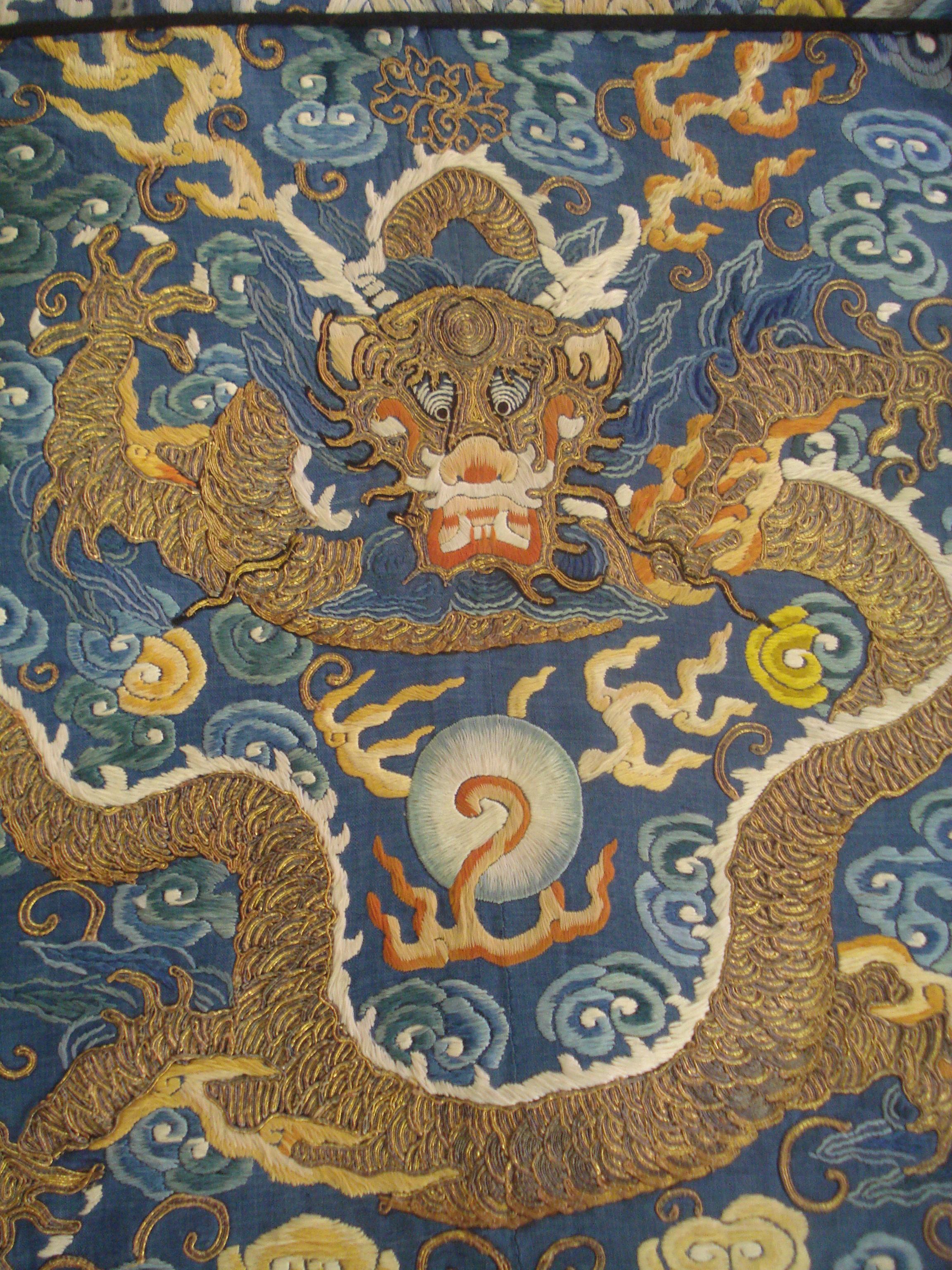
‘Power in China was vested in the Dragon Throne and the emperor wore robes with dragons emblazoned upon them’ (Rutherford & Menzies 2004: 59).  Dragons represented masculine vigour and fertility and was ‘often pictured chasing the pearl of wisdom, demonstrating ‘the emperor’s search for the divine truth…to the benefit of the empire’ (Garrett 1998: 51). 

Emperor’s yellow longpao dragon robe. Qianlong period (1736-95). 

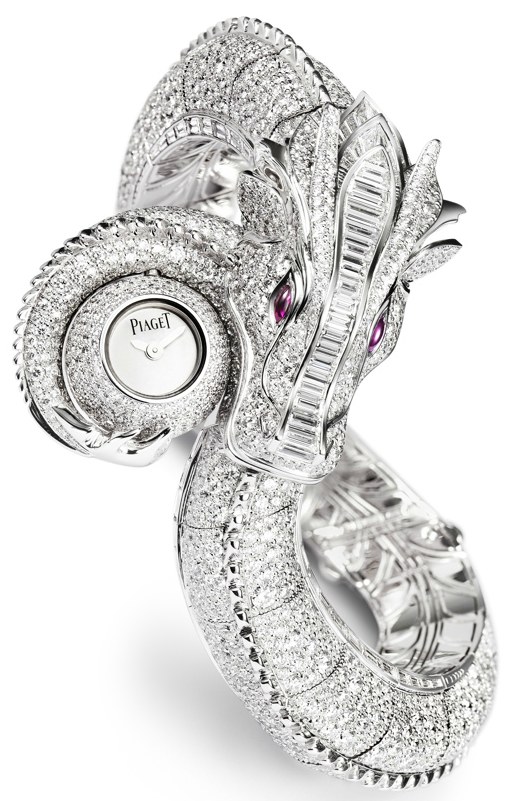
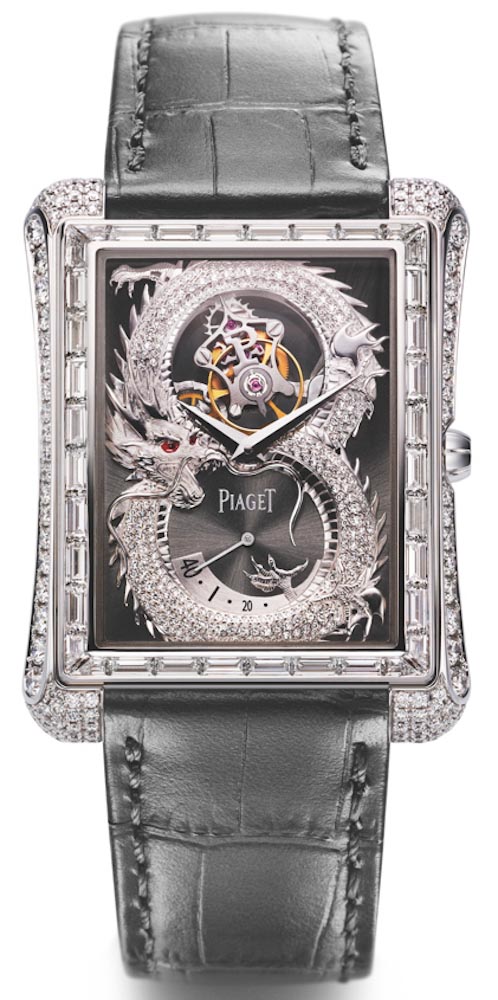
To celebrate the new year of the dragon, dragons are appearing in numerous collections from diamond watches to evening dresses this Spring. 为庆祝新龙年,在许多的时装系列,从钻石的手表到奢侈的连衣裙,这春天龙发现了。


A stunning collection of diamond-encrusted stylish Piaget watches。非常漂亮的 伯爵钻石手表.


Signature bold prints at Versace with the dragon dress and  handbag. 这龙连衣裙和手包是Versace的著名大五色的图案的趋势。

Start your mornings in style with this Nespresso dragon collection。开始每天很髦的和这个Nespresso龙系列。

Practicality without losing glamour – Converse Chinese New year collection。 实用和奢侈的 – Converse龙年新系列。


Gold dragons decorate the lavish interiors of the auspicious $1.2 million Rolls-Royce Dragon Phantom Model. 

金色的龙修罗尔斯•罗伊斯龙型奢侈的内边,这个很吉祥的车费1。2亿美元。

Piaget 伯爵 – http://www.piaget.com/

Versace – http://www.versace.com/

Converse – http://www.converse.co.uk

Nespresso- http://www.nespresso.com

Rolls-Royce 罗尔斯•罗伊斯 – http://www.rolls-royce.com/

Fashion in Motion: Olivier Saillard

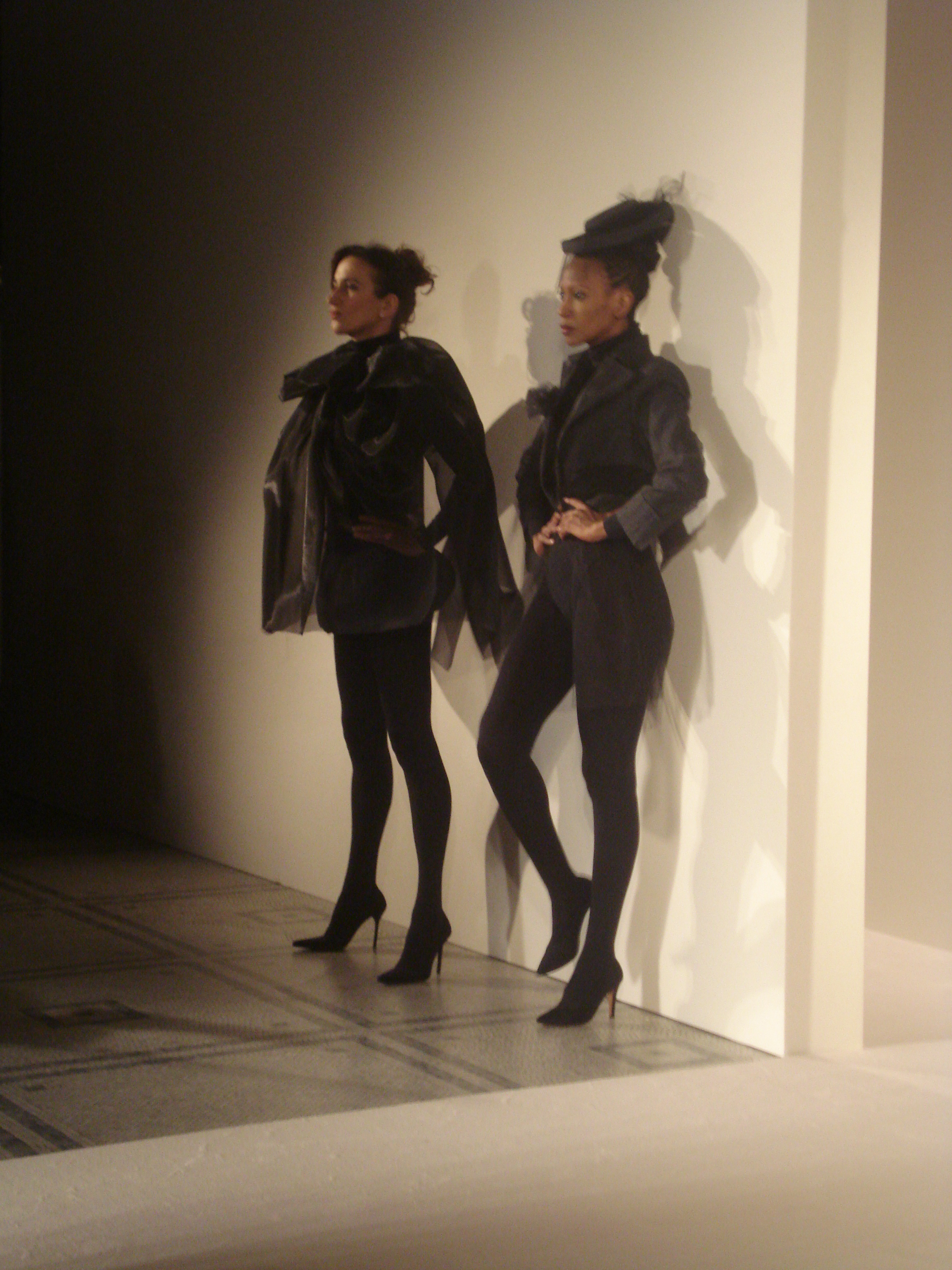
London fashionistas gathered to watch the highly anticipated ‘Models at Work’ a performance created by Olivier Saillard on Friday night. The Raphael Gallery at the V&A was a fitting dramatic location for the show as the Old Masters gazed down upon the runway and packed audience. Paris-based museum director, curator and performer Olivier Saillard worked with five renowned French models to explore the development of the poses of the fashion model. Saillard commented on his usage of famous 1980s & 1990s models that ‘modern models are really strict, like hangers’ and he wanted to show how models in the 80s had attitude. 

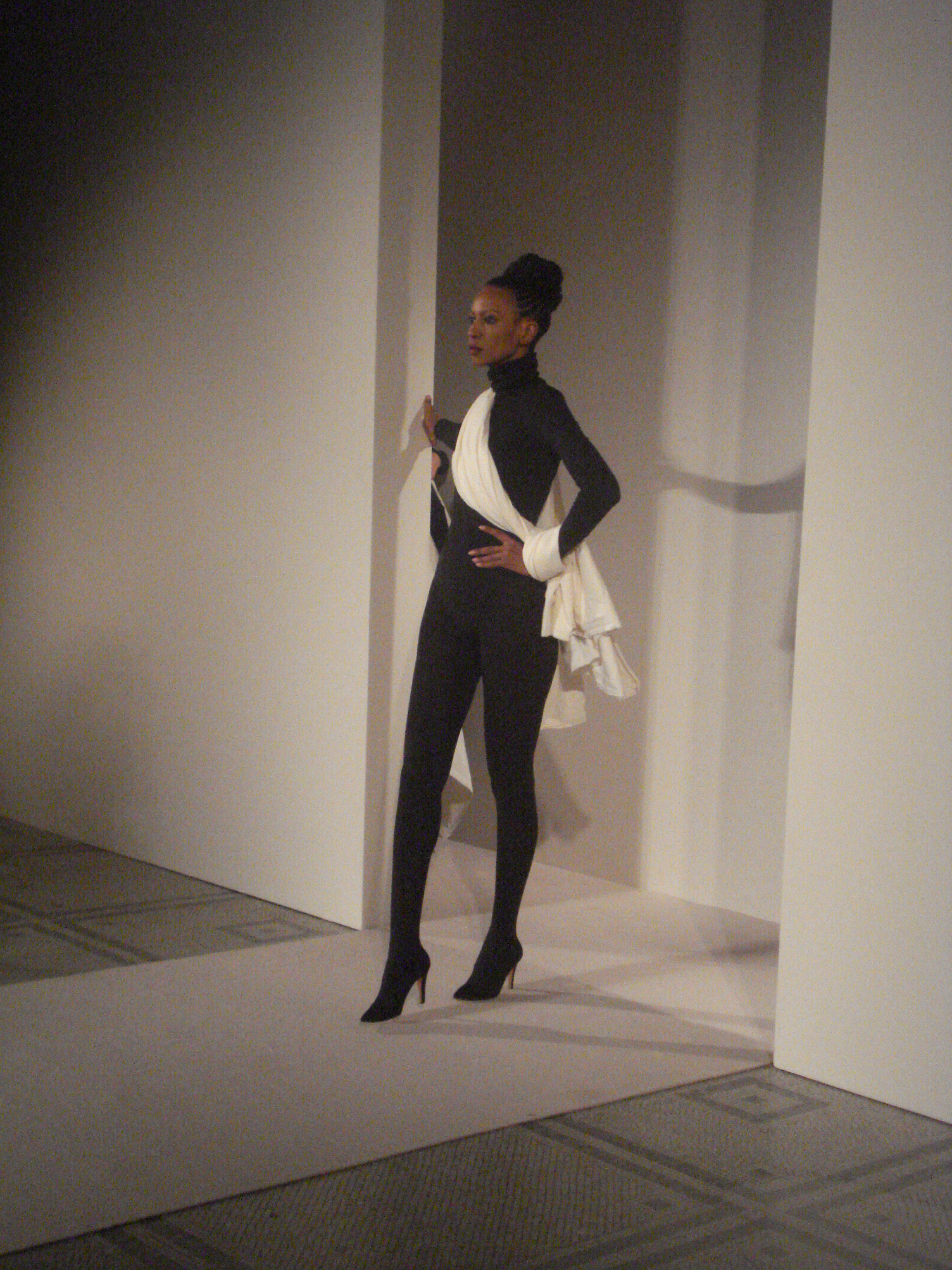
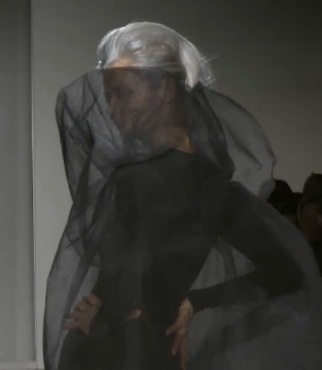
Separated into five sections, the audience was treated to the opening of models wearing black sheaths mirroring the protective sheaths used in early 20th century fashion houses, which was quickly followed by models playing with the manifold uses of the white tunic, whose pattern reflected those worn by fashion houses in-house models. Dressed solely in black bodysuits the models mimed elegantly the actions of dressing and undressing for the third section and the fourth section joyfully explored fashion designers’s uses of calico in the design process as models ripped and reshaped calico forming new garments. 

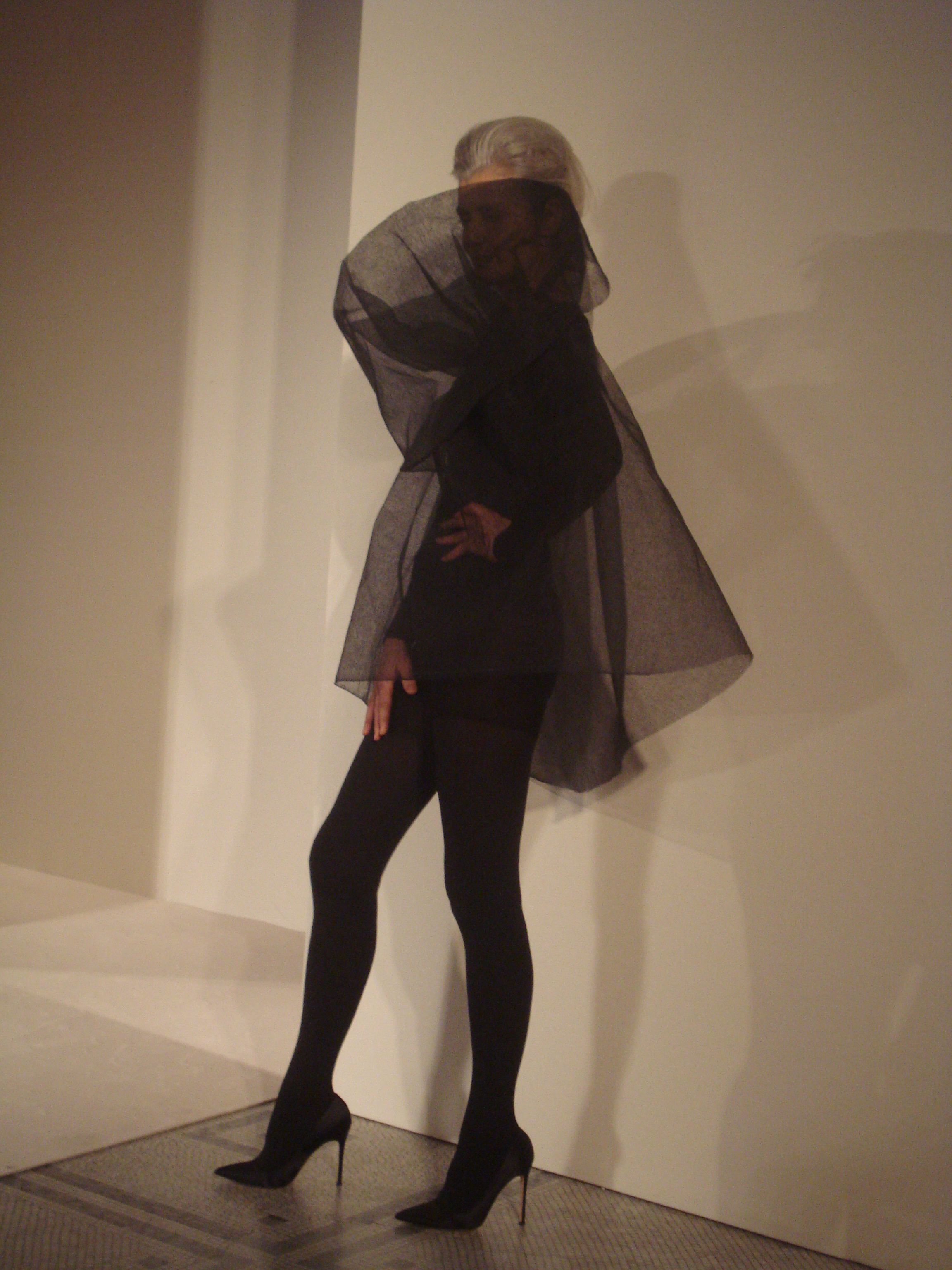
The climax of the show showcased inventive and delicate black tulle garments designed by Christian Lacroix. Lacroix looked to the silhouettes of outfits by designers such as Yves Saint Laurent, Jean Paul Gaultier and Claude Montana for his inspiration. Not only featuring a selection o the world’s top fashion designers and models, Fashion in Motion at the V&A also involves a wide audience in the exciting and captivating catwalk experience. 

在星期五时伦敦时装迷一起看Olivier Saillard的非常期待的‘模特工作中’的表演。拉斐尔的美术馆完美举办了这个表演,在下面的老马斯特斯的画一个拥挤的观众看到T台。巴黎人Olivier Saillard在博物管经理,馆长和表演工作。他和5个著名法国模特一起工作,为了表示时装模特的姿势发展。Saillard用80年代90年代的模特,他说‘今天的模特太严格,他们象衣架一样’, 他要表示80年代的模特的特征风格。

T台表示分开5个部分,最早的时候观众看到模特穿黑色的衣服,和早20世纪的时装家的保护衣服。此后模特表示白色的无袖上衣很有用,无袖上衣的样式和时装家内的模特穿的衣服。后来模特只穿黑色的紧身衣,他们很秀的模仿穿和脱衣服的运动。接下来的四个部分表示时装设计者怎么用 印花布时,模特撕印花布和创新的衣服。

最后,模特穿创造的和易碎的黑色蒂勒的衣服。拉克鲁瓦创造那些衣服,其他的设计者衣服的背影鼓舞他。伊夫·圣·洛朗,让· 保罗· 高提耶和蒙塔纳都鼓舞他。不仅表示一些世界最著名的时装设计者,‘Fashion in Motion’ 在维多利亚和阿尔伯特博物馆也包含一个大观众在一个非常兴奋的和迷住的T台的经历。


‘The body of fashion is not clothes, it is the body of the woman’ Olivier Saillard ‘时装的身体不是衣服,是女人的身体’


‘No more clothes, just be yourself’ Olivier Saillard ‘还不用衣服,只要be yourself’


Try to escape the ‘timeless tyranny of the present’ 。试逃走‘目前的无时间的虐政’


Fashion in Film: Out of Africa (1985) ~ 时尚的电影:走出非洲 (1985年)


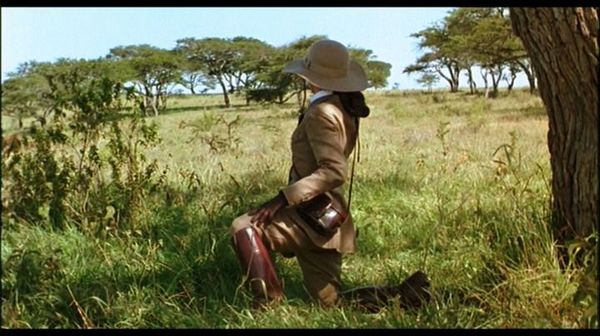
Starring Meryl Streep playing Karen Blixen, and her love interest Robert Redford as Denys Finch Hatton, the highly acclaimed film ‘Out of Africa’ (1985) is a tale of romance and hardship set in stunning African landscapes. Based upon the autobiographical book written by Isak Dineson (Karen Blixen’s pen name), the story begins in 1913 Denmark and covers Karen’s love affairs in and with Africa. Collecting 28 film awards including 7 Academy Awards and a nomination for Costume Design, ‘Out of Africa’ is a moving tale of the powerful bond between one woman and Africa and her thirst for adventure.

走出非洲受到了赞扬,在这里梅丽尔·斯特里普扮演凯伦·布李讯的角色和她的爱人是罗伯特·红副特的角色丹尼斯·芬奇·哈特呢。这是一个在漂亮的非洲环境的爱情和苦难的故事。基本于凯论的笔名艾萨克·迪泥丝呢写的自传,这个故事在丹麦开始而针对凯论在非洲爱情的经验。这部电影获得28电影将,包括7个奥斯卡将和时装设计的提名。走出非洲是一个非常感动的故事,一个女人和非洲亲密的关系而她对冒险的渴望。

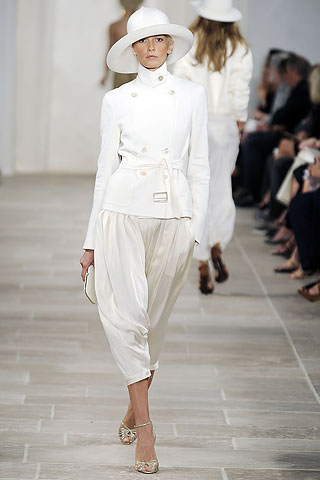
Repeatedly in fashion every spring/summer, safari style lets the urban girl reveal her inner adventurous spirit à la Karen Blixen. This trend’s key colours are olive, gold, khaki and white and staple items are jodhpurs, crisp white shirts and safari jackets.
每个春/夏的时装收集有游猎的形式。这会给城市的女人一个机会能透露内心的冒险的精神,根凯论布李讯一样。这个趋势的基本颜色包括橄榄色,金色,褐色和白色。基本的衣服是马裤,新的白色衬衫和游猎的夹克。


Catwalk photos are Ralph Lauren Spring/Summer 2009 from Style.com http://www.style.com/fashionshows/review/S2009RTW-RLAUREN 猫步的照片是拉尔夫劳伦2009年春/夏。从Style.com 

Riding boots from Ralph Lauren available online now at http://www.ralphlauren.co.uk/product/index.jsp?productId=4999751&prodFindSrc=search 马鞋是拉尔夫劳伦,目前在网络上会买。